

The pelvic floor often pracuje w tle—without conscious effort—yet it supports many essential processes such as continence, posture, sexual function and stability of the core. When these muscles weaken, the effects can disrupt daily life in subtle or very noticeable ways. Although the topic is frequently associated with women, especially after childbirth, both sexes can experience pelvic floor dysfunction. Exploring the wide spectrum of causes helps build awareness and encourages earlier intervention.
How Pregnancy and Childbirth Affect Pelvic Stability
For women, one of the leading contributors to pelvic floor muscle weakness is pregnancy. Even before delivery, hormonal changes—primarily relaxin and progesterone—soften the connective tissues. As the uterus expands, the pelvic muscles stretch to accommodate the added pressure.
Vaginal birth intensifies this strain. Prolonged labor, use of forceps or vacuum, or delivering a larger baby can all affect muscle tone and nerve pathways. Some women recover naturally, while others require targeted exercises or professional therapy to regain proper support. Postpartum fatigue, lifting an infant and returning too quickly to intense workouts may prolong the healing process.
The Impact of Aging and Hormonal Changes Across Genders
Both women and men experience natural declines in muscle mass as they age. This includes the muscles forming the pelvic floor.
In women, menopause brings a notable drop in estrogen, affecting tissue elasticity and blood flow. As a result, the muscles may react more slowly or lose strength if not regularly activated.
Men, on the other hand, encounter gradual shifts in testosterone, which also plays a role in muscle performance. While the hormonal transition is less abrupt than menopause, the cumulative effect can still influence continence control and sexual function.
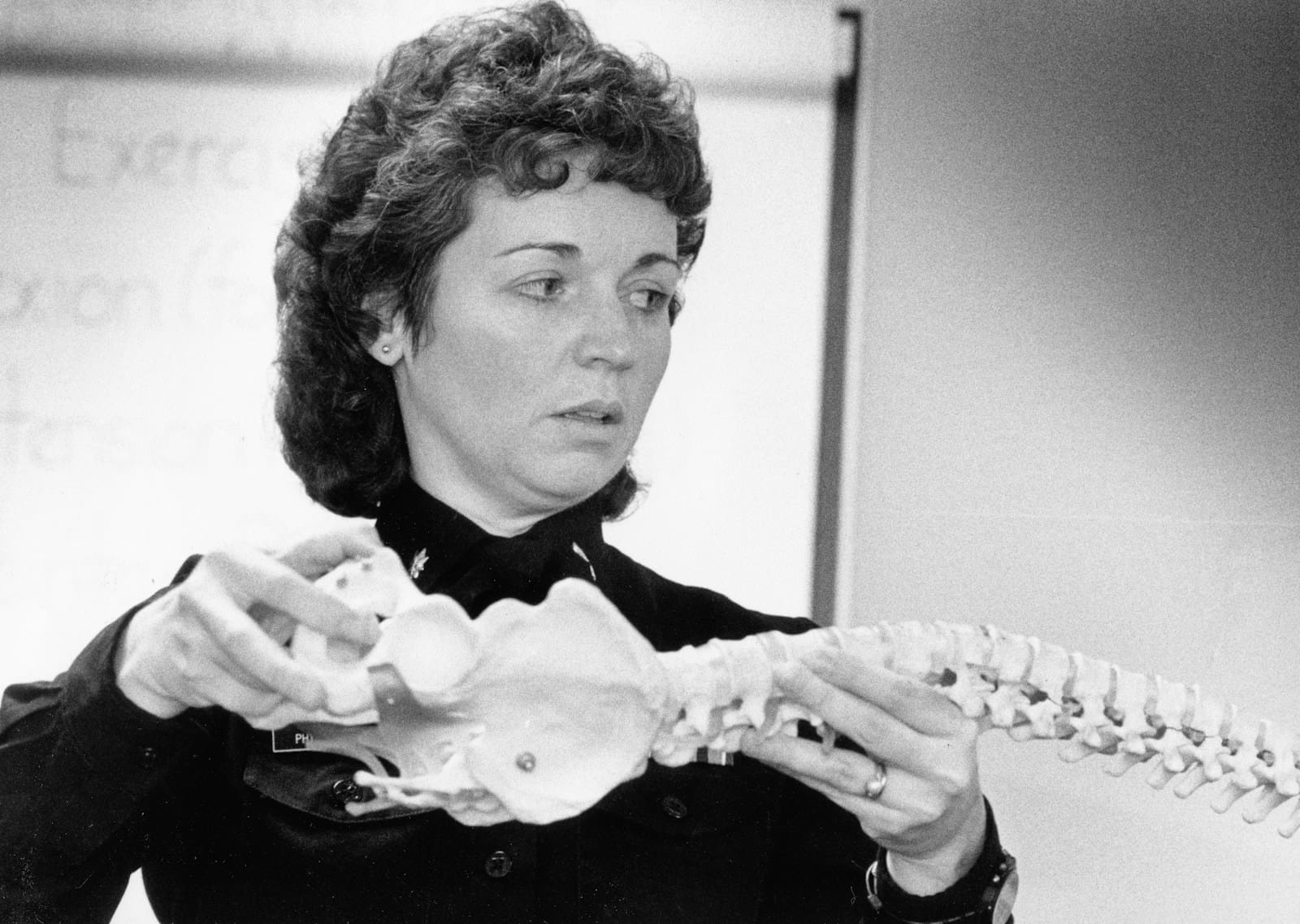
Lifestyle Factors That Gradually Undermine Pelvic Floor Strength
Many daily habits can unintentionally overload the pelvic floor. A few of the most common include:
– Chronic constipation
Repeated straining increases intra-abdominal pressure, pushing down on the pelvic structures. Over time, this pressure can cause the muscles to lengthen and weaken.
– Heavy lifting performed incorrectly
Whether at the gym or in a workplace setting, lifting with poor technique transfers excessive force downward rather than engaging the core properly.
– Long-term coughing
Smoking-related coughs, asthma or untreated allergies create repetitive downward pressure. The muscles grow fatigued and lose their ability to contract efficiently.
– Sedentary lifestyle
Sitting for hours at a time may reduce circulation and weaken the gluteal and abdominal muscles, which support pelvic stability.
– Excess body weight
The additional load placed on the pelvic organs daily presses on them, increasing the risk of dysfunction over time.
How High-Impact Sports Influence Pelvic Health
Paradoxically, both inactivity and excessive physical intensity can compromise pelvic performance. Athletes who participate in high-impact disciplines—running, gymnastics, HIIT, weightlifting—often work with elevated intra-abdominal forces.
When bracing techniques are faulty or training volume is high without appropriate recovery, the pelvic floor absorbs repetitive shocks. Women may notice leaking during jumps or sprints, while men sometimes report discomfort, pressure or difficulty controlling tension. Strengthening programs that coordinate breathing with core activation are essential for safeguarding long-term function.
The Role of Surgery, Trauma and Medical Conditions
Pelvic or abdominal surgeries can temporarily impair neural pathways, affecting muscle coordination. Hysterectomy, prostate surgery, hernia repairs or operations involving the spine may all require retraining of the pelvic musculature afterwards.
Trauma from accidents—particularly those involving the pelvis, hips or tailbone—can disrupt alignment, creating compensatory patterns that overload certain muscle groups.
Medical conditions also contribute:
- Endometriosis or chronic pelvic pain disorders often cause guarding and tension, which paradoxically weakens the muscles when they remain overactive for too long.
- Neurological diseases such as multiple sclerosis or Parkinson’s may reduce motor control.
- Diabetes can affect nerves, altering sensation and muscle responsiveness.
Psychological and Stress-Related Contributors
Emotional tension frequently manifests physically. High stress levels may trigger the pelvic floor to tighten involuntarily. When these muscles remain clenched for extended periods, their ability to contract effectively diminishes—similar to a fatigued muscle in any other part of the body.
Over time, this “always-on” state can lead to pain, dysfunctional movement patterns, or impaired relaxation during everyday tasks. Breathwork, mindfulness and learning to recognise pelvic tension cues are valuable components of a holistic recovery plan.
Differences and Overlaps Between Women’s and Men’s Pelvic Floor Weakness
While many causes are shared, some are gender-specific. Women commonly face challenges related to pregnancy, birth and hormonal fluctuations. Men are more prone to issues stemming from prostate enlargement, prostate surgery and chronic straining.
Despite these differences, the underlying problem—loss of coordinated strength—remains similar. Both groups often benefit from education on posture, breathing mechanics and targeted strengthening.
Below is a simple table illustrating selected risk factors for each gender:
| Factor | Women | Men |
|---|---|---|
| Pregnancy & childbirth | ✔️ | — |
| Menopause | ✔️ | — |
| Prostate issues | — | ✔️ |
| High-impact sports | ✔️ | ✔️ |
| Aging | ✔️ | ✔️ |
| Chronic constipation | ✔️ | ✔️ |
Why Early Prevention and Supportive Tools Matter
As awareness of pelvic floor health grows, more individuals are seeking practical solutions before symptoms escalate. Regular movement, posture training and well-structured strengthening routines can significantly improve comfort and functional stability.
For those searching for supportive accessories or therapeutic equipment, a variety of specialised tools—discreet, effective and designed for home use—can make the process easier. A curated selection is available through partners such as this pelvic health supplier, offering products that help both women and men build stronger, more responsive muscles.
Building a Healthier Foundation for Daily Life
Pelvic floor weakness rarely stems from a single cause; instead, it develops from physical, hormonal, lifestyle-related or emotional factors intertwining over time. Understanding these influences allows individuals, educators and caregivers to identify early warning signs and support better habits.
With the right tools, knowledge and consistent practice, restoring pelvic stability becomes an achievable goal—one that enhances comfort, confidence and overall quality of life.



Be the first to comment