
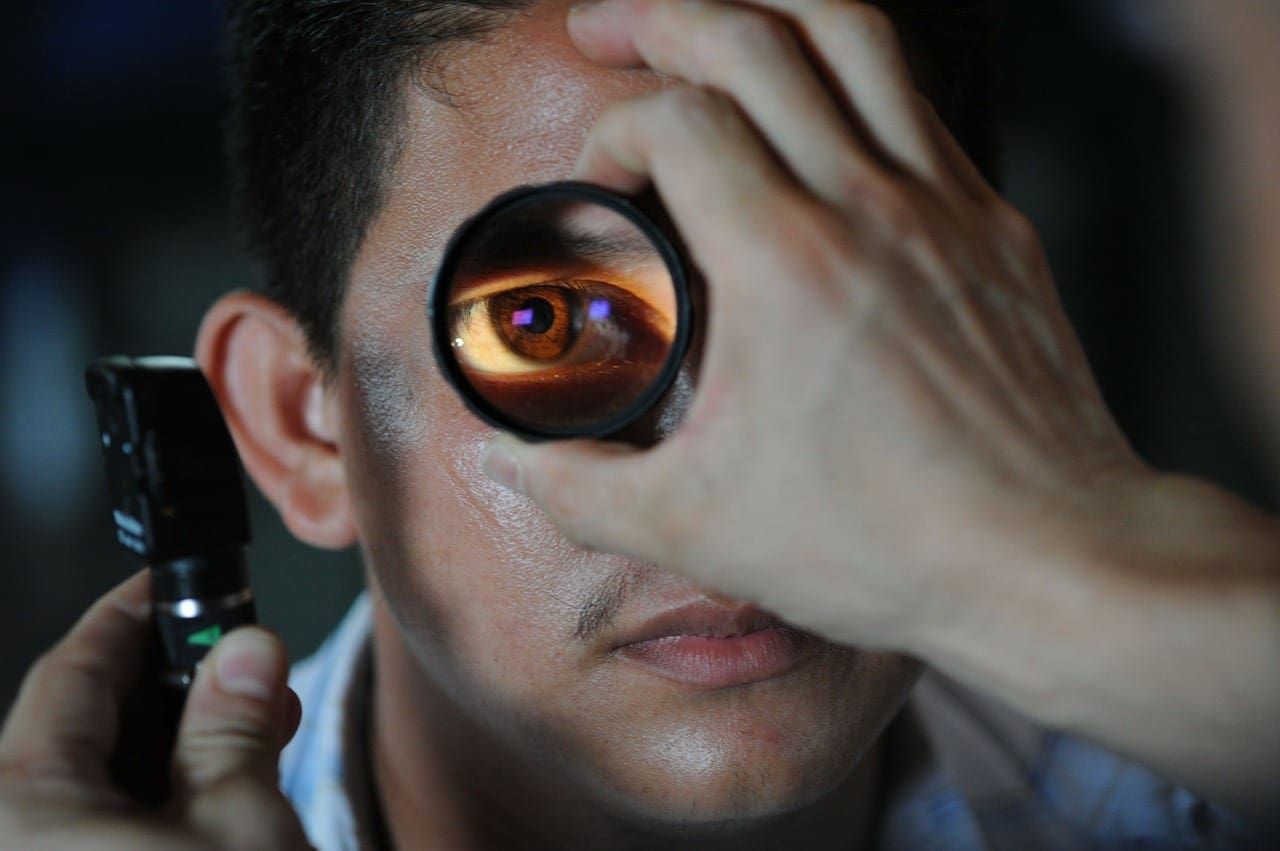
Losing clarity in your vision is frightening. The cornea is supposed to be your window to the world, but when disease or injury clouds it, everything changes. A cornea transplant is often the only way out. It replaces the damaged tissue with a healthy donor graft. For thousands of people every year, this surgery is the difference between blindness and seeing a loved one’s face again. But surgery is just the start. The real work happens after you leave the hospital.
What Actually Changes the Outcome?
Success isn’t a guarantee. It depends heavily on why you needed the surgery in the first place. Conditions like keratoconus usually respond very well. If you are dealing with severe scarring or chemical burns, the road is rockier.
A few specific things dictate if the graft survives for the long haul.
- The State of Your Eye Issues like glaucoma can lower your chances of perfect vision. A healthy eye bed accepts the new tissue much better.
- The Technique Used Surgeons don’t always replace the whole cornea anymore. Newer methods replace just the damaged layers. These partial transplants heal faster and are less likely to be rejected.
- Your Commitment This is the big one. You have to follow the drop schedule. It is the only way to stop your body from attacking the new part.
The Waiting Game
Patience is rare, but you need it here. A cornea transplant takes a long time to settle. It is not like cataract surgery where you see well the next day. It can take up to a year for your vision to stabilise.
You will likely still need glasses once the stitches are out. The eye shape changes during healing, often causing astigmatism. Sometimes, glasses aren’t enough. If the prescription is very high, your doctor might suggest a phakic IOL.. This is a special lens placed inside the eye to fix focus without changing the cornea again. It helps refine your vision when glasses fall short.
Keeping It Clear
Rejection is always a risk. Your immune system might suddenly decide the new tissue is a threat. You need to watch for warning signs. Pain, redness, or a sudden blur are reasons to call your doctor immediately.
Keeping the graft clear requires effort. You might need mild drops for a long time. You also need to protect your eye from knocks and bumps. A simple injury can ruin the graft.
Conclusion
Getting your sight back is a team effort. The surgeon does the technical work, but you handle the care. A cornea transplant can last for decades if you stay committed. Listen to your specialist and keep up with your appointments. That is the secret to a lasting result.
Be the first to comment