Every year, nearly 700,000 people die by suicide across the world — and heartbreakingly, about 25% of these deaths occur in India. Among Indians aged 15 to 39, suicide has now become one of the leading causes of death, surpassing road accidents and maternal deaths. Behind each statistic lies a story of deep pain, loneliness, and hopelessness — yet, most of these deaths are preventable.
In a country where mental health services are scarce — with fewer than one psychiatrist for every 100,000 people — suicide helplines have emerged as one of the most accessible and compassionate bridges between despair and care.
A suicide helpline is a confidential, free phone or online service that provides immediate emotional support to anyone in distress. Whether someone feels hopeless, agitated, or has thoughts of self-harm, helplines are ready to listen — without judgment, labels, or delay.
Their goal is not merely to “stop someone from ending their life” but to help them feel heard, supported, and gently guided toward safety and professional help.
The Science Behind a Helpline Call
Suicide prevention is not guesswork — it is grounded in psychology and neuroscience. When a person is suicidal, their thinking becomes narrowed, rigid, and filled with despair — a state known as “cognitive constriction”.
A calm, empathetic conversation helps activate parts of the brain that regulate emotion and reasoning, slowly restoring perspective and a sense of control. Studies show that even a single interaction with a trained listener can markedly reduce suicidal thoughts and emotional distress.
Who Answers These Calls?
Behind each helpline is a trained team of mental health professionals and supervised volunteers. They receive intensive training in active listening, empathy, and crisis intervention. Calls are always confidential, though if there is immediate danger to life, the team may coordinate with police, ambulance services, or hospitals to ensure safety — always handled with care and dignity.
India’s national mental health helpline, KIRAN (1800-599-0019), launched by the Government of India and NIMHANS, is one such primary resource. It is staffed by psychologists, social workers, and trained counsellors. NGOs like Sneha (Chennai), Aasra (Mumbai), and Snehi (Delhi) have been running similar services with remarkable dedication for years.
Why Anonymity Matters?
Many people hesitate to seek mental health support because of stigma. They fear being labelled, judged, or misunderstood as weak or incapable of coping with life. Helplines break this barrier by offering complete anonymity.
Callers can speak freely about their pain, knowing that they will not be identified or judged. This first confidential step often becomes the doorway to further professional care later.
The Role of Telemedicine and Digital Support
The rise of telemedicine and digital health has made mental health assistance more accessible than ever. Under India’s Tele-Mental Health Guidelines, helplines now function within a defined ethical and legal framework — ensuring privacy, informed consent, and safe referral to qualified professionals when required.
Technology, including AI-based chatbots, is being tested in some helplines, but while it may enhance access, human empathy remains irreplaceable.
What Happens After a Call?
A suicide helpline is not just a one-time conversation. If needed, callers are gently guided toward psychiatric consultation, therapy, or community support services. Some helplines even offer follow-up calls to check on the person’s well-being, ensuring continuity of care.
Why Society Must Support Helplines
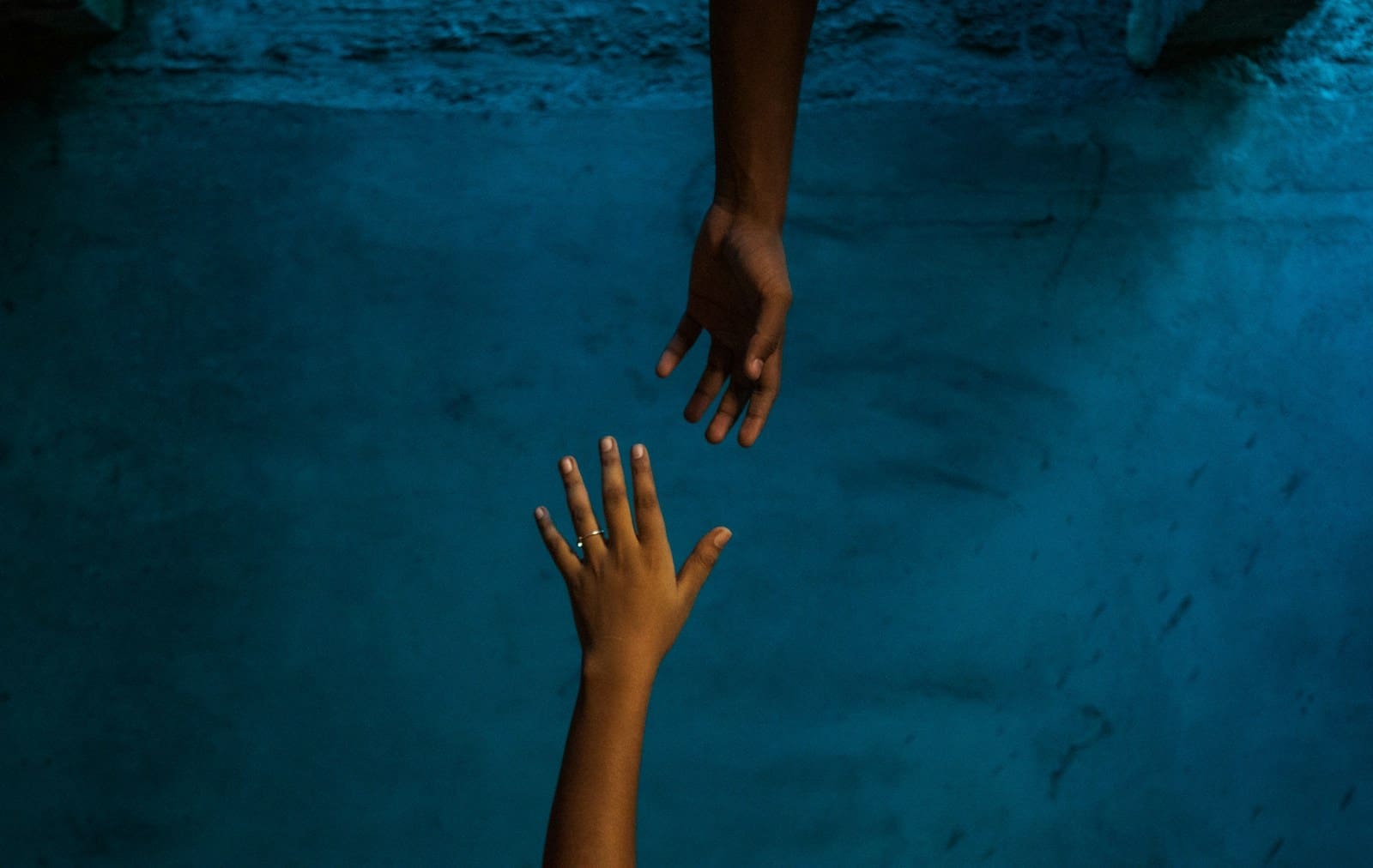
A suicide helpline is not merely a phone service — it reflects the collective conscience of society. It symbolises our shared responsibility to care for one another. Every call answered could mean a life saved.
For helplines to truly make an impact, they need sustained funding, trained manpower, and public awareness.
Just as we invest in ambulances for physical emergencies, we must invest in helplines for emotional emergencies.
When Should You Call a Helpline?
If you or someone you know:
– Feels hopeless, helpless, or trapped in overwhelming problems
– Is experiencing intense emotional pain or loneliness
– Has thoughts of self-harm or suicide
– Or simply wants someone to listen —
Please reach out.
You are not alone. Help is available 24/7.
National Helpline (KIRAN): 1800-599-0019
Aasra (Mumbai): +91-9820466726
Sneha (Chennai): +91-44-2464 0050
iCall: +91-9152987821
In Closing
As a psychiatrist, I have often witnessed that saving lives is not achieved through medication or therapy alone — it happens through connection, empathy, and timely support.
Suicide is preventable. And sometimes, all it takes is a voice on the other end of the line saying —
“I am here. I am listening. You are not alone.”
About the Author:Dr. P.V. Bhandary is a well-known Psychiatrist in Udupi and Medical Director at Dr. A.V.Baliga Memorial Hospital at Doddanagudde, Udupi.He was selected for CADABMA’s Distinguished Psychiatrist Award 2012. This award is initiated for his outstanding services to the marginalised section of society in psychiatry. The award was presented to him at Bangalore in the presence of His Excellency Dr. H.R. Bharadwaj, Governor of Karnataka, His Excellency Dr. K Rosaiah, Governor of Tamil Nadu, His Grace Dr. Bernard Moras, Archbishop of Bangalore, and other dignitaries.


 National Helpline (KIRAN): 1800-599-0019
Be the first to comment