

There was a time when online casinos felt like something you visited on purpose. You sat down, opened the site, and stayed there for a while. It was closer to an activity than a habit. Something you planned for the evening, not something you opened between messages or while waiting for a coffee. That feeling has changed. Not suddenly, not because of one big innovation, but because everything else around it changed first. Phones became the main screen. Entertainment became lighter, faster, and more scattered across the day. And casino platforms slowly followed the same path.
The shift from sessions to moments
In the early 2000s, most online casino play happened on desktop computers. The experience was built around that environment. Larger screens, longer loading times, and interfaces that assumed you would stay for a while. Then smartphones took over. People stopped thinking in terms of long sessions. Instead, they filled small gaps in the day with short pieces of entertainment. A quick video in the morning. A few messages during a break. A short game while dinner was cooking.
Casino platforms adjusted in small steps. Games loaded faster. Menus became less crowded. Login processes were shortened. Major operators such as Betway began putting real focus on mobile usability, knowing that the phone was becoming the main gateway to entertainment. The idea was simple. Let someone open the app, play for a few minutes, and leave without effort. This was not unique to gambling. Mobile gaming showed the same pattern. Reports now estimate that mobile games generate over 90 billion dollars each year, mostly through small, repeated purchases rather than large upfront payments. The success of that model did not go unnoticed.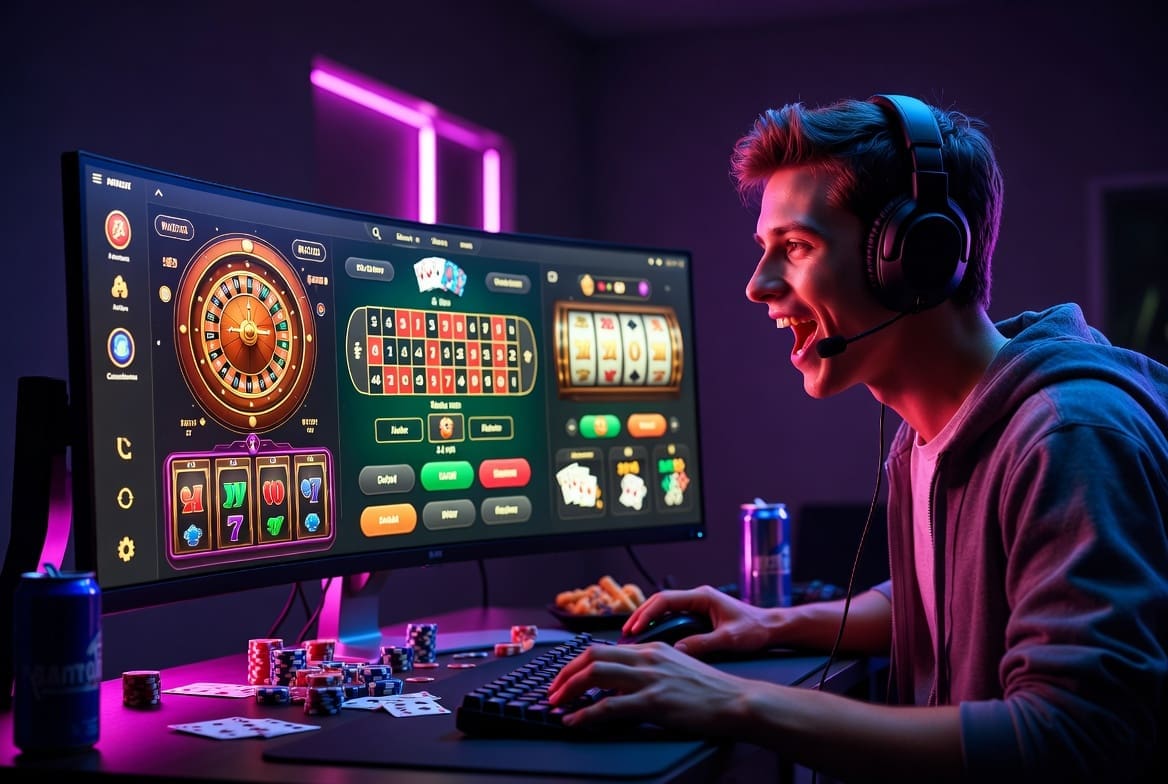
Thinking in terms of return visits
As behavior changed, the industry’s priorities changed as well. Operators began to care less about a single long session and more about whether a player came back the next day. That is where features like daily bonuses, short challenges, and small competitions started to appear more often. These were not always about big rewards. Sometimes they were just gentle reminders that something new was happening.
The logic was familiar to anyone who used streaming platforms or social apps. Success in the digital world often depends on how often people return, not on what they spend in a single visit. Casino platforms began to measure things in similar ways. Instead of focusing only on deposits, they started paying closer attention to retention, session frequency, and long term activity.
When games started to feel like games again
Older slot machines were simple by design. Pull the lever, watch the reels, see the result. The experience was repetitive, and that was part of the appeal. Modern online slots often feel different. Many include progress meters, unlockable features, or symbols that build toward larger moments. Some titles introduce level based elements or themes that change as you play.
These ideas come from the wider gaming industry. Free to play titles taught developers that players enjoy a sense of progress, even if it is small. A bar that fills up. A feature that slowly unlocks. A new animation after a certain number of rounds. Casino designers borrowed those ideas. The result is an experience that feels more dynamic, even if the core mechanics remain the same.
Another quiet change came from streaming culture. Watching other people play games became normal. It did not matter if the game was competitive, story driven, or purely casual. Casino content found its place there as well. Streamers began broadcasting bonus rounds, long sessions, and the occasional big win. Viewers tuned in for the suspense, but also for the personalities behind the screen. What used to be a private activity started to feel more social. A short clip of a dramatic moment could spread across platforms in minutes. People who had never opened a casino site might still watch the content the same way they watched a gaming stream or a live match.
Friction slowly disappeared
Technology also smoothed out many of the steps that once made online casinos feel separate from other apps. Payment systems became faster. Digital wallets reduced waiting times. Registration forms became shorter. When signing up takes only a few minutes and deposits appear almost instantly, the platform starts to feel like any other digital service. It becomes part of the same routine as downloading a game or subscribing to a video platform. In markets where smartphones are the main way people access the internet, this effect is even stronger. Casino apps appeared alongside social media, messaging, and mobile games, not years later.
A quiet integration into everyday habits
Online casinos did not force their way into digital culture. They simply adapted to it. As entertainment became more mobile, more social, and more fragmented across the day, casino platforms followed the same direction. Today, they sit in the same space as other forms of entertainment. Open for a few minutes at a time. Designed around short visits. Built with the same ideas about engagement and retention. The change was gradual, almost unnoticeable while it was happening. But looking back, it is clear that online casinos are no longer an isolated product. They are part of the same digital environment as the games, videos, and apps people use every day.
Be the first to comment