

Anterior cruciate ligament (ACL) injuries are common among athletes and active individuals, particularly in sports that involve sudden changes of direction, jumping and pivoting. The ACL is one of the major stabilising ligaments in the knee, and damage to it can significantly impact mobility and performance. Preventing such injuries is therefore a priority for coaches, trainers and individuals engaged in physical activity.
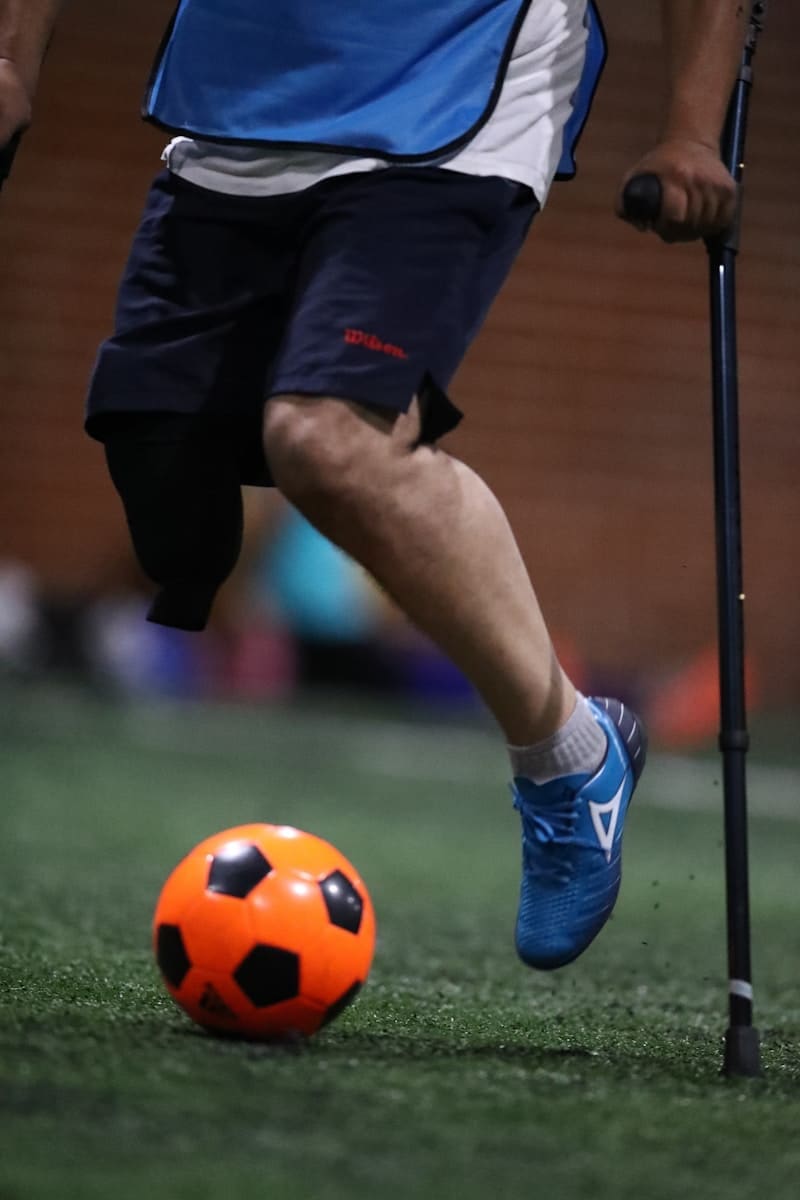
Effective ACL injury prevention involves a combination of targeted exercises, technique improvement and appropriate conditioning. Research indicates that structured prevention programmes can reduce the incidence of ACL injuries, particularly in high risk populations such as young female athletes.
Risk Factors for ACL Injuries
Biomechanical and Neuromuscular Factors
Certain movement patterns increase the stress placed on the ACL. For example, knee valgus (inward collapse of the knee) during landing or cutting can elevate the risk of ligament strain. Neuromuscular imbalances, such as poor hamstring strength relative to quadriceps strength, may also contribute to unstable knee mechanics.
Improving neuromuscular control through specific training can help align the joints more effectively during dynamic movements and reduce ACL strain.
Anatomical and Hormonal Variables
Anatomical differences, including intercondylar notch width and ligament size, may influence susceptibility to ACL injuries. Hormonal fluctuations, particularly in female athletes, have also been studied as potential contributors to injury risk. While these factors cannot be modified directly, they underscore the importance of tailored prevention strategies.
Training and Fatigue
Training load, fatigue and improper conditioning can increase injury risk. Tired muscles are less able to support joints effectively, leading to compensatory movement patterns that stress ligaments. Adequate rest and recovery are therefore integral to injury prevention.
Core Components of ACL Injury Prevention
Strength Training
Strengthening the muscles around the knee, particularly the quadriceps, hamstrings and gluteal muscles, enhances joint stability. Balanced strength development helps to support proper alignment and reduces undue stress on the ACL.
Exercises such as squats, lunges and hamstring curls are commonly included in prevention programmes. It is important to perform these exercises with proper technique to maximise benefit and avoid injury.
Plyometric and Agility Training
Plyometric exercises improve explosive power and teach athletes to control landings safely. Proper landing mechanics involve bending at the hips and knees, maintaining alignment of the knees over the toes and minimizing inward knee collapse.
Agility drills that incorporate controlled changes of direction can also enhance neuromuscular coordination. These drills train the body to respond more effectively to dynamic movement demands, reducing the likelihood of risky knee positions during competition.
Balance and Proprioception
Balance exercises improve proprioception, which is the body’s awareness of joint position and movement. Enhanced proprioception allows individuals to adjust quickly to unexpected perturbations, reducing the likelihood of awkward landings or twists that may strain the ACL.
Tools such as balance boards or single leg exercises can be included in prevention routines to challenge stability and improve joint control.
Implementing an Effective Programme
Warm Up and Conditioning
A structured warm up that incorporates dynamic stretching and movement drills prepares muscles and joints for activity. Warming up increases blood flow, enhances flexibility and activates key muscle groups. It also provides an opportunity to cue movement patterns that support safe biomechanics.
Conditioning programmes should be progressive, building in intensity and complexity over time. Consistency is key, and prevention exercises should be integrated into regular training rather than treated as a separate activity.
Education and Technique Training
Educating athletes on proper technique for jumping, landing and changing direction is essential. Coaches and trainers play a central role in reinforcing correct form and identifying movement flaws that may contribute to risk.
Video analysis and feedback can be effective tools for helping individuals visualise and adjust their mechanics. Ongoing reinforcement ensures that correct techniques become habitual.
Monitoring and Recovery
Monitoring training loads helps to prevent excessive fatigue, which can undermine neuromuscular control. Adequate recovery protocols, including rest days, sleep and complementary practices such as stretching and massage, support muscle repair and reduce overuse injuries.
Recovery strategies should be individualised and may vary based on training intensity, age and overall health status.
Evidence and Outcomes
Research supports the effectiveness of ACL injury prevention programmes that combine strength, plyometric and neuromuscular training. Studies have shown significant reductions in ACL injury rates among athletes who adhere to structured prevention routines. These outcomes highlight the value of proactive measures in reducing the physical and financial costs associated with ligament injuries.
Additional Resources
For guidance on structured approaches to exercise, conditioning and ways to reduce the likelihood of injuries through targeted practices, resources covering aspects of acl injury prevention may be useful.
Conclusion
ACL injury prevention is a multifaceted endeavour that includes strength training, plyometric exercises, balance work and education on safe movement mechanics. By addressing neuromuscular control, conditioning and recovery, individuals and teams can reduce the risk of ACL injuries and enhance performance longevity. Integrating prevention routines into regular training schedules promotes safer biomechanics and supports overall physical resilience.
Be the first to comment