
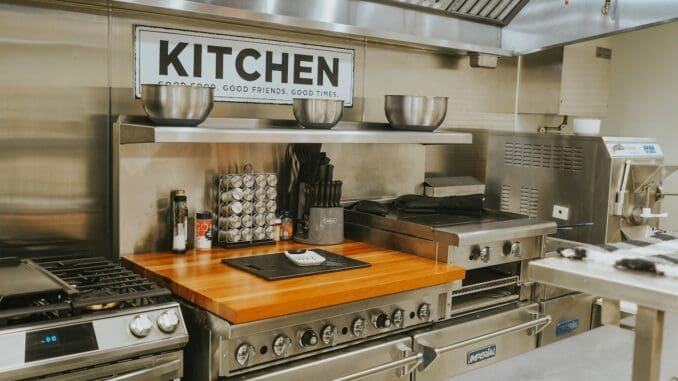
In the modern era, kitchens are becoming more advanced as the technological landscape rapidly changes traditional methods of cooking and beverage preparation. The rise of artificial intelligence, precision sensor technology, and connected appliance features are improving how we use our kitchen equipment. These developments are making professional-quality results even more approachable for a broader audience.
Precision Temperature Control
These advanced heating technologies are changing beverage preparation with unprecedented accuracy. Many modern espresso machine designs include a dual boiler design and PID controllers, allowing them to maintain precise temperatures for artisan quality extraction. Temperature control technologies can adjust brewing temperatures in real-time based on where the beans originated, the level of roast, and the size of the grind.
Smartphone Integration and Remote Control
With the advancement of connectivity features, kitchen appliances are becoming easier to use and more convenient than ever. For example, sophisticated espresso machines are now being controlled as well as programmed using apps on smartphones, so you can plan brews and customise drink preferences away from the espresso machine. Just as advanced are modern automatic blender systems, which offer the same connectivity via skilled apps that allow users to access a database of recipes.
Artificial Intelligence and Learning Capabilities
Machine learning algorithms are now being installed in kitchen appliances for a more seamless user experience. Smart espresso machine technology can learn user preferences as they use their machines by automating adjustments to features such as grind size, water temperature, and extraction time, relative to a user’s feedback as well as usage. Likewise, automated blenders are equipped to accommodate learning technologies that can recognise what food items are blended together.
Automated Cleaning and Maintenance
The self-cleaning function is becoming commonplace in high-end kitchen equipment, providing reduced maintenance and allowing the appliance to operate at peak performance. The design of modern espresso machines offers automatic cleaning programs that will flush and scour the internal parts with special cleaning liquid and rinse so that oils and mineral deposits do not build up. Newer automatic blender models have also included self-cleaning processes that incorporate specific water temperatures.
Controllable Precision Grinding and Blending
Variable speed and timing controls give users a professional-like precision level in the preparation of food and beverages. Advanced espresso machines have built-in grinders that have multiple settings for fineness, which can be adjusted depending on brewing style and bean characteristics. The user is provided with the same levels of precision with variable speed controls, programs for numerous textures, and the ability to pulse for precise adjustment of food processing.
Energy Efficiency and Sustainability Features
The new innovation gets more environmentally conscious, particularly in appliance design as manufacturers look to lower energy consumption while not hindering the performance. New espresso machine models have energy-saving modes of operation, heating elements made to operate more efficiently, and improved insulation to limit power consumption during standby modes. Also, advanced automatic blender models have powerful motors to accomplish tasks quickly.
The Integration of Multi-Function Designs
New appliances are increasingly designed to perform a few functions, maximising kitchen efficiency and cutting down on the cluttered countertops. Modern espresso machine designs frequently integrate milk frothers, hot water dispensers, and even tea brewing facilities, all into one unit. Advanced automatic blenders now include food processing attachments, grinding capabilities, and heating options.
Voice Control and Smart Home Integration
Voice activation technology is being integrated into kitchen appliances for easier accessibility and usability. Some models of espresso machines are now able to accept voice commands that will brew different types of espresso drinks, allow you to adjust strength preferences, and start a cleaning cycle. Smart automatic blender systems will also allow for voice control, but can enable the user to be hands-free when preparing food.
Nutritional Analysis and Health Tracking
Health-related features are becoming a more common part of kitchen appliances. There is a high-end espresso machine that tracks your caffeine intake and recommends caffeine consumption times depending on health goals. There are also new automatic blenders that offer nutritional analysis and will tell you the ratio of calories, vitamins, and macronutrients in your blends.
Conclusion
There’s no doubt that technology is changing the operations of kitchen appliances, allowing for more intuitive, efficient, and enjoyable cooking and beverage-making experiences. Technology is democratising professional-quality results and simplifying our everyday workflows through intelligent automation and connectivity.
The advances in technology will lead to a more complete integration of our essential kitchen tools into our lives – they will support healthy lifestyles and help us manage our homes more efficiently.
Be the first to comment