
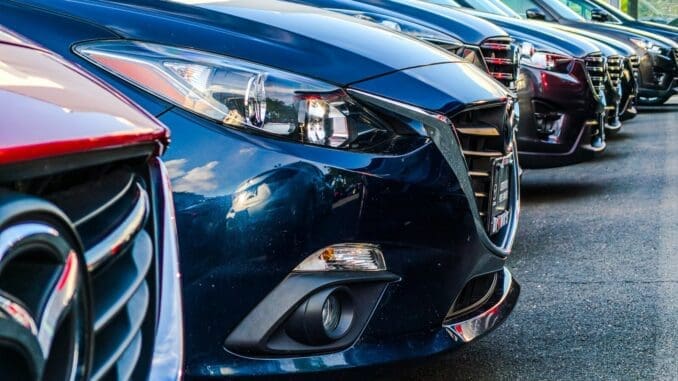
Most people in the UK start their search for a used car with one thing on their mind: Is the price fair? It’s easy to see why. New cars are still pricey, delays are everywhere, and the second-hand market looks like the sensible way to go. But the real cost of a used car doesn’t hit you until after you drive it off the dealer.
It’s not just bad luck when repairs pop up. Most of the time, you’re just paying for things the last owner put off. Used cars get priced low for a reason, usually because someone else didn’t want to deal with upcoming repairs.
Mileage Doesn’t Magically Reset
Mechanical parts don’t care if a car has a new owner. Brakes, suspension, tyres, and belts just keep aging, no matter who’s driving. By the time a car’s six or eight years old, a bunch of parts are probably due for replacement, sometimes all at once.
Take brakes. The pads and discs might have just enough life left to pass a quick inspection, but you’ll probably be shelling out for new ones pretty soon. Suspension parts are sneaky, too. Bushes and arms can start causing weird noises or handling issues that seem minor at first, but fixing them gets expensive fast.
Don’t Put Too Much Faith in the MOT
A fresh MOT might look reassuring, but it’s not a promise that nothing’s about to break. It just means the car was legal on the day it was tested. A lot of cars pass with advisories. Stuff that’s “safe for now.” But those items are often on their last legs. A tyre that barely squeaks by or a rusty brake disc might get you home, but you’ll be paying to replace it soon.
It helps to check the MOT history, not just the latest certificate. If you see the same issues popping up year after year, with no sign they’ve been fixed, get ready for some repair bills.
You can check a car’s history just by typing in the reg, and it can give you a good idea of any problems that might pop up later. It’s worth doing this with any car you’re thinking of buying because it shows the full MOT record and background info. So if you see something like an advisory for worn brake pads, you know that’s a job coming up soon. And if there’s a bigger issue, like the car being written off before, it tells you where to look a bit closer.
Modern Cars, Modern Problems
These days, hidden costs come from electronics as much as worn-out parts. Air conditioning, sensors, and control modules. They all fail, and it’s rarely cheap to sort out. What starts as a weak blast of cold air or a warning light that flickers on and off can turn into a pricey fix.
Batteries matter more than ever, too. Even petrol and diesel cars rely on strong 12-volt batteries to keep all those fancy systems running. For hybrids and EVs, battery health actually affects how far you can go, how the car drives, and what it’s worth. Sometimes a car looks like a bargain, but really, the battery just isn’t up to scratch anymore.
It’s the Little Things That Break the Bank
Everyone dreads big repairs, but it’s the small stuff that really drains your wallet. Wheel alignments, replacement keys, fixing a chipped windscreen, sorting out electrical gremlins – none of it sounds like much, but pile them all up, and the costs add up fast. Most people don’t think about these when they buy, but they almost always crop up in the first year, making a perfectly good car feel cursed.
Change How You Think About Buying Used
Honestly, the safest bet is to expect you’ll need to spend a bit after buying any used car. Factor that into your budget from the start, and it’ll save you a lot of stress later. If you treat early repairs as just part of the deal, not some nasty surprise, you’ll negotiate better and avoid stretching yourself too thin.
A good inspection, a full service history, and a proper test drive are still crucial. But don’t blow your whole budget just to get the car home. Leave yourself a buffer for what comes next.
The Bottom Line
Used cars aren’t instantly cheap, even if you get a great deal. The happiest buyers are the ones who expect a few hidden costs and plan for them. If you treat maintenance as something to prepare for, not dread, owning a used car gets a lot less stressful and a lot more affordable.
Be the first to comment