

Small rooms often feel stuffy, hot, or uncomfortable for reasons that go beyond square footage. While duct cleaning can help improve overall air quality and airflow in an HVAC system, many ventilation problems in small spaces come down to how air moves, or doesn’t move, through the room itself. Understanding what’s actually causing that trapped, heavy feeling is the first step to fixing it.
How to Fix Poor Ventilation With Practical Ventilation Tips
Poor ventilation shows up fast in small spaces. The most obvious signs are stale or “heavy” air, lingering odors, and a room that feels uncomfortable even when the temperature seems fine. You might also notice condensation on windows, a slightly musty smell, or that the air feels humid and sluggish, especially in rooms near laundry areas where dryer vent cleaning has been neglected. These are classic signs that basic ventilation tips haven’t been applied effectively.
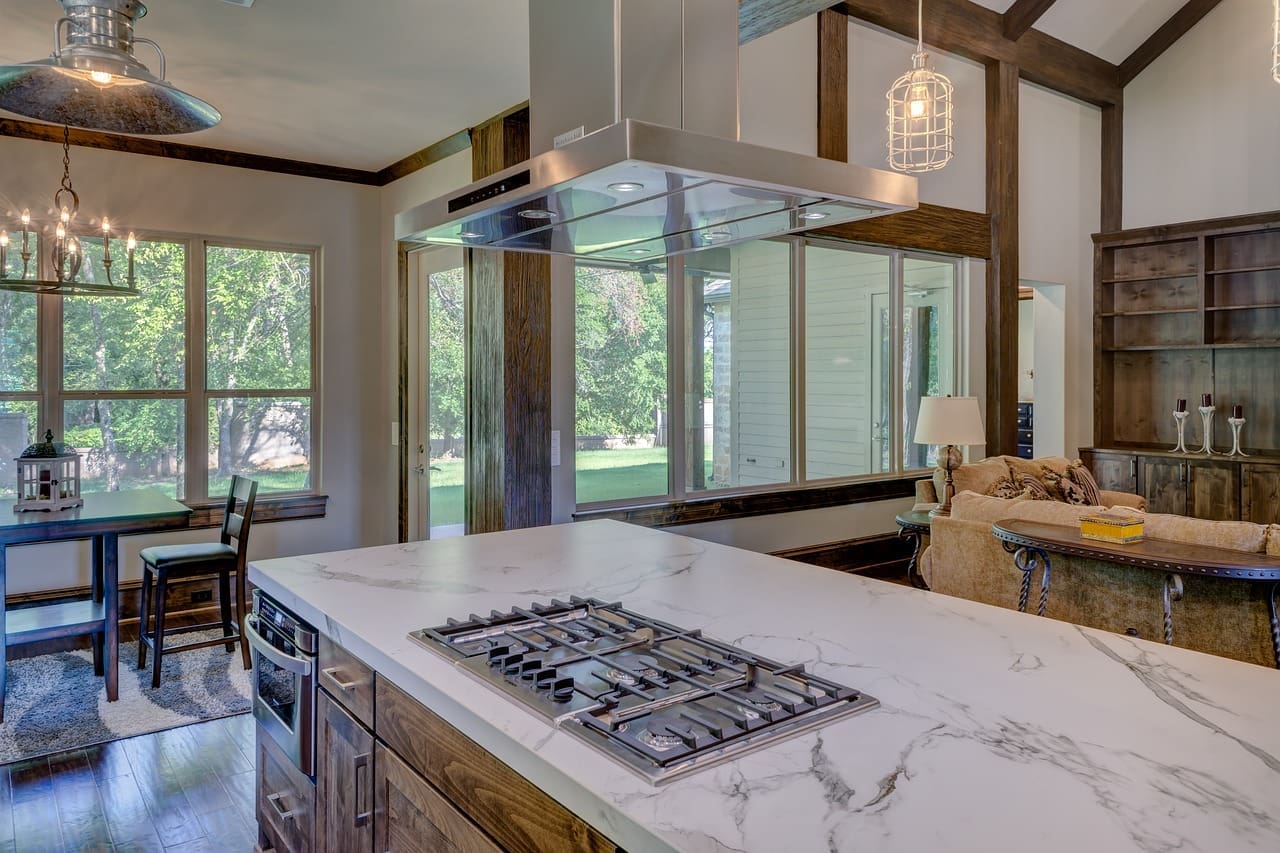
What’s really happening is air stagnation. Without fresh air coming in and old air leaving, heat, moisture, and carbon dioxide build up. Your body is extremely sensitive to this, so the room starts to feel smaller and more suffocating, not because of its size, but because the air itself feels used up.
Most people assume a room feels bad because it’s “too small.” In reality, it’s usually air exhaustion. This is why the right airflow solutions can change how a room feels without changing the room itself.
The clearest sign isn’t heat, it’s how fast the room becomes uncomfortable. If a space feels fine when you enter but stale within minutes, that’s poor air exchange. The room isn’t getting rid of heat, moisture, and carbon dioxide at the same rate your body produces them.
That buildup makes the air feel thicker and heavier, which your brain interprets as confinement. The walls didn’t move, but your tolerance shrank.
How to Make a Room Feel Cooler With Smart Airflow Improvement
Airflow changes perception more than most people realize. When air moves, your body cools more efficiently through evaporation, which is why a room with moving air feels cooler even at the same temperature. This kind of airflow improvement directly affects comfort before you ever touch the thermostat.
Visually and psychologically, airflow creates a sense of openness. A room with circulating air feels “alive,” while still air makes walls feel closer. Even subtle air movement can trick your brain into interpreting the space as larger, lighter, and less boxed in.
Airflow creates depth. When air moves, your body cools more efficiently, but just as importantly, your brain stops treating the room as a sealed container. Moving air suggests continuity beyond the room itself, which is a key reason making a small room feel bigger often starts with circulation, not square footage.
Easy Ways to Improve Airflow in Small Rooms
The simplest fixes don’t involve renovations: clearing supply and return vents completely, even partial blockage kills airflow; using door gaps intentionally by undercutting doors or keeping them slightly open; adding a small circulating fan rather than a powerful one; and cracking windows strategically, even for 10-15 minutes, to reset the air. These are practical ventilation tips that work quickly.
These small changes improve airflow without changing the room itself, which is exactly why they work so well. The simplest fixes don’t add air, they give it somewhere to go.
Most small rooms fail because air enters but can’t exit. Opening a door, creating a return path, or using a fan to pull air out of the room is often more effective than forcing more air in. This is one of the most overlooked airflow solutions.
Think of airflow as a loop, not a blast. Once that loop exists, comfort improves quickly.
How to Make a Small Room Feel Bigger Through Better Airflow Improvement
Good airflow removes the “pressure” feeling that makes small rooms uncomfortable. When warm air, humidity, and stale air are constantly being replaced, the room feels lighter and less dense. This is one of the most reliable ways to make a small room feel bigger without physical changes.
A room feels smaller when air pressure, heat, and humidity linger. Ventilation removes that “crowding” effect from the air itself, which is why airflow improvement plays such a big role in perception.
Over time, improved ventilation reduces odors, moisture buildup, and temperature swings. That consistency makes the space feel calmer and more open, your brain stops registering the room as a problem area and starts treating it like usable space.
When stale air is consistently replaced, the room stops feeling like it’s holding onto yesterday’s heat. Over time, it feels lighter, calmer, and easier to occupy, less like a storage space, more like a living one. This shift is central to making a small room feel bigger in everyday use.
Low-Cost Airflow Solutions for Hot Small Rooms
Some of the most effective solutions cost very little: window fans that exhaust hot air instead of just blowing inward, oscillating fans angled toward doorways or windows rather than directly at people, vent deflectors to redirect cooled air where it actually reaches the room, and night flushing, opening windows at night to release stored heat. These simple airflow solutions focus on removal, not force.
These tactics focus on removing heat instead of fighting it, which is far more efficient in small spaces. Exhausting warm air, especially near ceilings or windows, prevents heat from accumulating in the first place.
Nighttime ventilation is especially effective because it resets the room before heat can build the next day. Reducing stored heat often matters more than adding cold air when trying to improve airflow in tight spaces.
Fans and Vents That Make a Small Room Feel Bigger
Fans work best when they support airflow patterns instead of disrupting them. Positioning a fan to pull air out of a room (toward a hallway or window) often works better than pointing it inward. Fans shouldn’t fight the room, they should guide it.
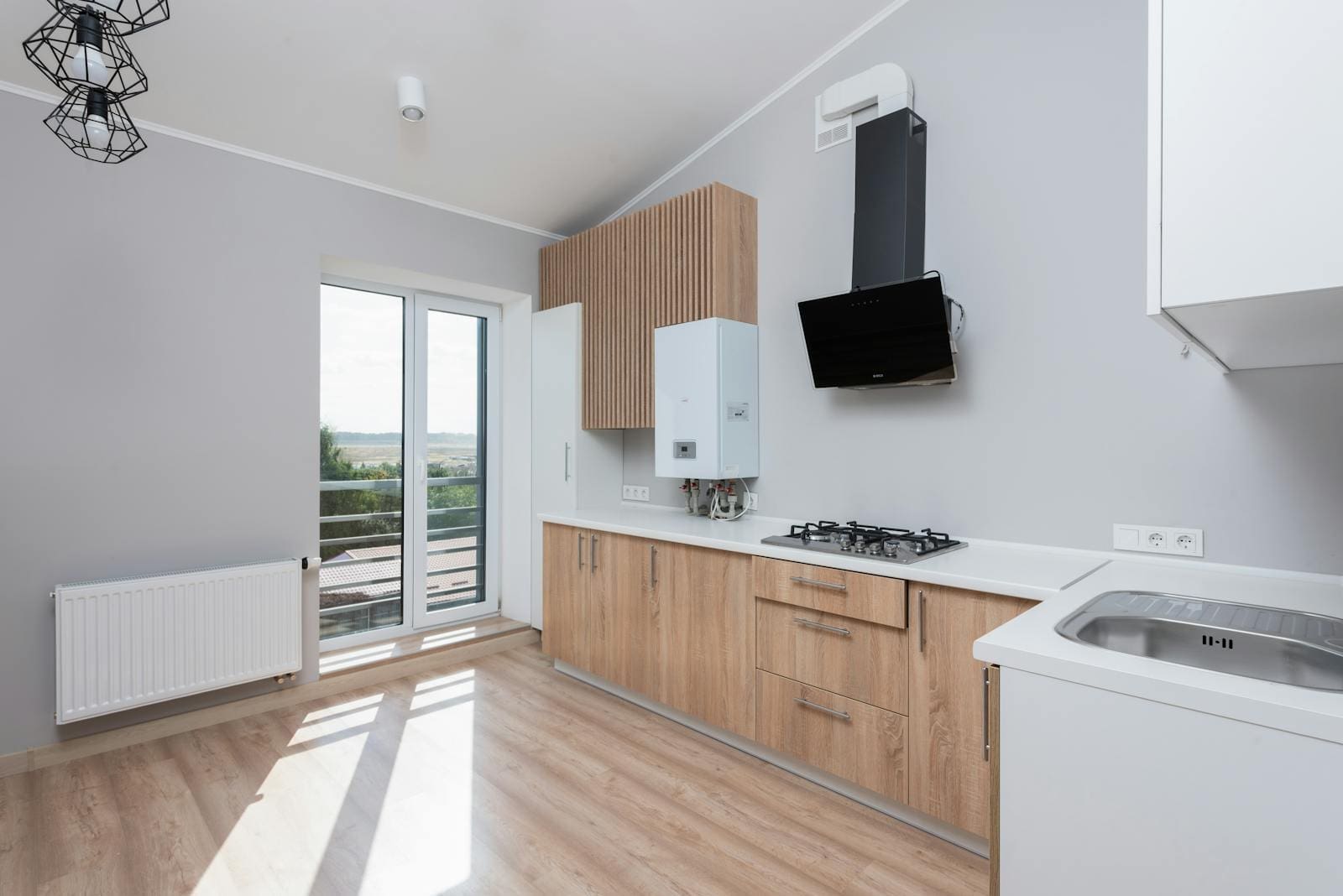
Vents matter just as much. Redirecting supply vents along walls or ceilings helps air travel farther, creating circulation instead of cold spots. A well-placed fan creates directional airflow that connects the room to the rest of the home, helping make a small room feel bigger without extra cooling.
When air moves through a space instead of stopping inside it, the room stops feeling like a dead end.
Ventilation Mistakes That Prevent You From Fixing Poor Ventilation
Common mistakes include closing vents completely to “push air elsewhere,” using oversized fans that stir hot air instead of moving it out, blocking airflow with furniture or curtains, and sealing rooms too tightly with no return air path. These mistakes directly undo even the best ventilation tips.
These mistakes trap heat and pressure inside the room, making it feel smaller and more uncomfortable the longer you stay in it. The biggest mistake is isolating the room.
Sealing doors, closing vents, or overusing powerful fans traps heat and stale air inside. That pressure buildup makes the room feel tight and uncomfortable, even if the temperature reading looks acceptable.
Comfort depends on escape routes, not force.
Why Airflow Improvement Helps Make a Small Room Feel Bigger Over Time
The biggest change is consistency. With better airflow, small rooms stop overheating, odors disappear faster, and humidity stays balanced. At first, the room feels cooler. Then it feels fresher. Eventually, it stops being noticeable at all. That’s when airflow improvement is working as intended.
People often describe this as the room feeling “normal” again. That’s the goal. Good airflow doesn’t call attention to itself, it quietly removes the factors that make small rooms feel oppressive in the first place.
Over time, the room becomes easier to use, consistently usable instead of conditionally tolerable. You stop managing the space, and just use it. That’s the real payoff of learning how to make a small room feel bigger through airflow alone.
Be the first to comment