



The Alarming Trend
Recently, we have been seeing reports of sudden deaths among healthy young people, colleagues, gym-goers, and even public figures. The question that troubles everyone: Why should anyone die so suddenly? As a psychiatrist, I observe that such deaths create anxiety, fear, confusion, and a sense of insecurity in families and communities. Many people are now suffering from health anxiety, constantly worrying about when or where something might happen to them. There is an urgent need for a serious public health discussion about these deaths.
Karnataka’s Proactive Step
In this context, the Karnataka government has declared sudden deaths as a “notifiable cause.” Now, if a sudden death occurs in someone under 45 years, it must be officially reported and a post-mortem conducted. This is a welcome decision.
Understanding the Causes
Sudden death is not a mystery. Multiple cultural and behavioural changes in society are contributing factors:
- Over the past two decades, we have shifted away from traditional cooking methods, using more processed oils (often reused) and relying heavily on fast food delivered through apps.
- Our daily diet now includes more calories, sugar, cheese, paneer, and mayonnaise.
- The rise of ice cream parlours and cafés encourages the consumption of foods that stress our metabolism but are tempting to the mind.
- Sweets are available all year, as are cold-stored and artificially ripened fruits, as well as processed snacks, in every season.
- Many people eat as a way to cope with stress, but this often means consuming “calorie bomb” foods—high in calories, low in nutrition.
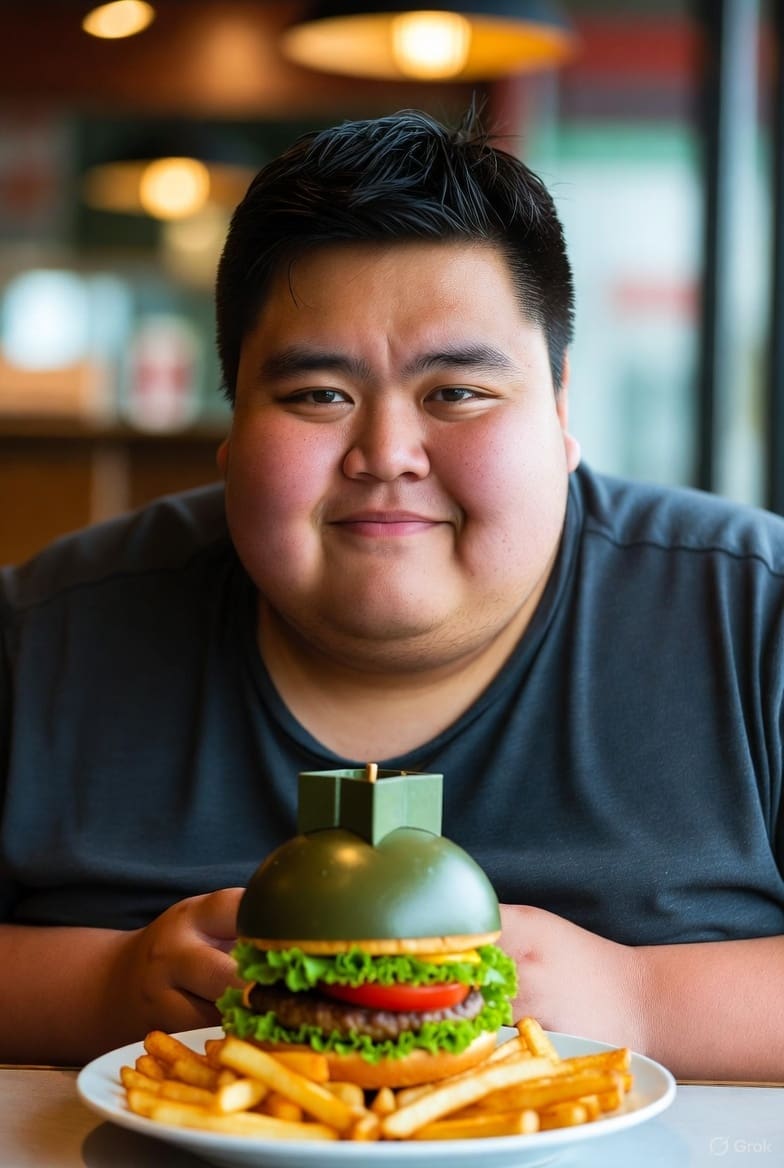
- Ultra-processed foods, such as biscuits, chips, packaged snacks, and fast food, are high in sugar, salt, and fat, and often lack hygiene and high-quality ingredients. I call them “calorie bombs”.

Lifestyle Factors
- Physical inactivity, poor sleep (sometimes only 5-6 hours a night), increased use of tobacco, smoking, alcohol, and addictive substances are on the rise.
- Obesity is increasing. To compensate, some people engage in intense gym workouts—often without undergoing a health check-up beforehand.
- Most people only discover they have high blood pressure, diabetes, or high cholesterol during a medical emergency.
Environmental and Other Risks
- The harmful effects of plastic water bottles and storage tanks are not widely known. Chemicals from plastics can leach into water and may have adverse health effects over time.
- Honest scientific research is needed on these issues.
The Vaccine Debate
- The long-term effects of COVID vaccines, especially in young people, are still not fully clear.
- Vaccines have saved millions of lives, but rare side effects—such as inflammation of heart blood vessels, blood clots, and antibody reactions—require ongoing research. Ignoring public concerns about side effects is unscientific; transparency and open scientific dialogue are essential.
Practical Suggestions for the Public
As a psychiatrist, I recommend the following:
- Return to home-cooked food. Limit eating at hotels and ordering food through apps.
- Get regular health checkups, paying attention to your blood pressure, sugar levels, cholesterol levels, and weight.
- Do not ignore mental stress. If needed, consult a psychiatrist. For your mental health, reduce reliance on TV and social media; trust your doctors.
- Start daily exercise gradually; avoid sudden, intense workouts.
- Reduce and eventually stop harmful substances like alcohol and tobacco.
Sudden death is rarely truly sudden—it is often the result of long-term neglect and chronic stress.
Karnataka’s New Measures
- Official records and medical examination for sudden deaths.
- Heart health screening for 10th-grade students (approximately 15 years of age).
- Annual health checkups for government employees.
- Recommendation for private institutions to conduct regular checkups.
- Including chapters on heart health and sudden deaths in school textbooks.
- CPR training and installation of AED machines in public places.
- Education on heart health awareness and a healthy lifestyle.
If all these are implemented systematically, public fear can be reduced.
The Stoic Message for Everyday Life
“Change what is in your hands: Healthy food, exercise, stress control, and good habits. Do not worry about things beyond your control, such as vaccines, COVID-19, genetic factors, and past mistakes in certain lifestyle aspects. Whatever happens in life, accept it calmly without anxiety.”
Let Karnataka’s bold decision inspire awareness across India. Our health is our shared responsibility.
About the Author: Dr. P.V. Bhandary is a well-known Psychiatrist in Udupi and Medical Director at Dr. A.V.Baliga Memorial Hospital at Doddanagudde, Udupi. He was selected for CADABMA’s Distinguished Psychiatrist Award 2012. This award is initiated for his outstanding services to the marginalised section of society in psychiatry. The award was presented to him at Bangalore in the presence of His Excellency Dr. H.R. Bharadwaj, Governor of Karnataka, His Excellency Dr. K Rosaiah, Governor of Tamil Nadu, His Grace Dr. Bernard Moras, Archbishop of Bangalore, and other dignitaries.